
When you work with your lawn equipment day in and day out, you need it to keep working reliably and you want it to last. Preventative maintenance can help extend the life of your commercial lawn equipment.
For today’s article, we’re focusing on commercial equipment used in green industry businesses, such as lawn and landscaping companies. These tips will also work for homeowners, though homeowners will likely have to do these maintenance tasks less often because they don’t use the equipment as frequently.
1) Pre-Season Checkup
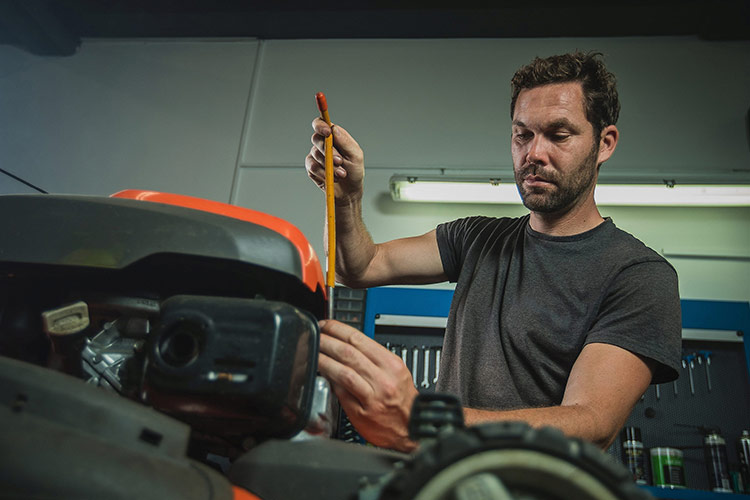
Before peak season in the spring and summer, give your equipment a checkup. Winter is typically a slow season for green industry pros, and it’s a great time to catch up on maintenance and make sure all your equipment is running smoothly. Getting prep work out of the way early helps you keep on top of things for the busy season. Pre-spring maintenance for commercial lawn equipment includes:
- Check for damage to the equipment, like loose bolts, faulty electrical connections, cracked components, rusted metal, or leaking hoses.
- Check tire pressure and tread wear for mowers and other wheeled equipment, and make sure the wheels are securely attached.
- Inspect belts, spark plugs, air filters, fuel filters, and other parts to make sure they are not damaged or worn.
- Check the hydraulic and electrical systems for any issues.
- Inspect cutting blades to see if they need to be sharpened or replaced. Refill cutting line for string-line trimmers.
- Grease any lubrication points, such as spindles.
- Inspect any bags for mowers and shredder/vacs for rips, gaps, or other issues.
You can work through your company’s maintenance checklist in-house or work with a local service center like the one here at Richardson Saw & Lawnmower.
2) Filter Cleaning and Replacement
Following a maintenance checklist is one of the best ways to help your crews stay on top of preventative maintenance throughout the year. Daily, weekly, and monthly checks can help prevent costly downtime and repairs by taking care of potential issues before they become problems.
One of the important things to check on gasoline-powered equipment is the air filters and fuel filters. Good air flow is essential for keeping equipment from overheating and preventing strain on the engine. At least once a month, clean the air filter thoroughly and check if it should be replaced. More frequent checks might be necessary if you’re using the equipment a lot, especially in dusty environments.
Crews should also clean or change the fuel filter and inspect the fuel lines about once a month. The timing for this varies depending on the type of equipment, so check the owner’s manual for specific recommendations.
3) Clean and Sharpen
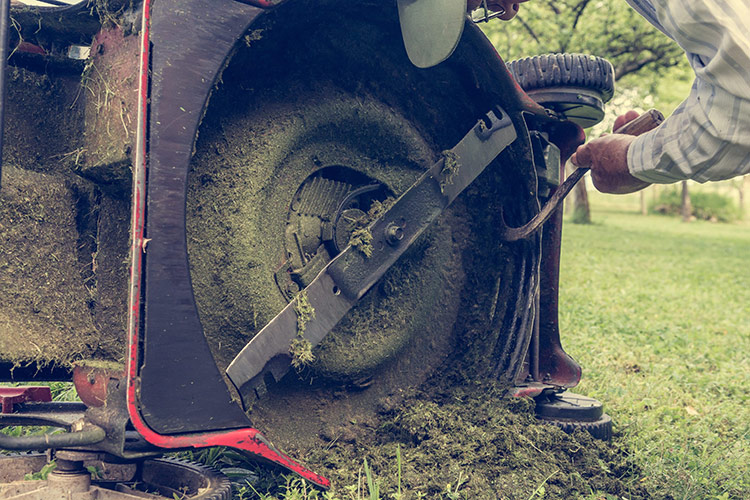
The equipment that you use is going to get dirty, and the cutting parts will grow dull. That’s just a fact. Regular cleaning helps keep the equipment looking well-maintained and professional, which can help keep customers happy and support your company’s good reputation. Even more importantly, though, cleaning equipment and sharpening cutting blades regularly helps extend the life of the equipment.
Regular cleaning helps prevent rust and corrosion. It also reduces strain on the engine or motor and on moving parts that might get caught up by dirt and debris. Cleaning also results in higher-quality equipment performance, such as a neater cut from lawnmowers. Similarly, keeping mower blades sharp results in a cleaner cut and less wear on a mower.
At the end of each day, crews should clean equipment to remove debris. You can schedule more thorough cleaning and blade sharpening for specific days of the week or month, or plan to spend rainy days cleaning. Make sure you have a plan or schedule in place so that crews know what to clean and when. This helps ensure that you don’t fall behind on cleaning tasks.
4) Power Source Care
For gasoline-powered equipment, engine maintenance is essential to keeping the equipment running smoothly. For battery-powered equipment, caring for the batteries is vital to keeping the equipment working well. There is some overlap in maintenance between the two types of equipment, but also key differences in how to care for the power source.
Keeping equipment clean and sharpening cutting blades is important for both types of equipment. For gasoline-powered equipment, make sure you keep the air filter clean. In addition, for 2-cycle engines, make sure you’re using the right type of oil and the right ratio of oil-to-gasoline. For 4-cycle engines, change the oil regularly. Once a year, remove the spark plug, inspect it for damage, and clean or replace it.
For battery-powered equipment, lithium-ion batteries will last longer if you don’t drain them completely before charging. Commercial crews typically travel with multiple batteries and sometimes with portable charging stations as well. When you’re not using the equipment, store the tool and the battery separately. Batteries can be sensitive to temperature extremes, so store them in a dry place that is out of direct sunlight and does not get too hot or too cold.
5) Pre-Storage Maintenance
Even in mild winters, proper storage of commercial equipment prevents issues such as fuel system damage, rust, and dead batteries. For gasoline-powered equipment, storing the equipment for more than 30 days with ethanol-containing gasoline in the tank can result in damage to the engine. Drain the fuel, or add a fuel stabilizer before storage.
Before storing for winter is also a good time to thoroughly clean the equipment and lubricate moving parts. Store the equipment indoors in a cool, dry place protected from frost. If you cover your equipment, use fabric instead of plastic to avoid trapping moisture. For battery-powered equipment, most batteries should be fully charged before storage. To protect the batteries, store them in the original case or a cushioned bag rather than on the chargers or in the tool.
Your Local Repair and Maintenance Partner
Sometimes, your company doesn’t have time to take care of routine maintenance or handle repairs in-house. When that happens, you can turn to a local service center like the one here at Richardson Saw & Lawnmower.
Our service professionals have lots of experience working with commercial-grade equipment, and since we stock one of the largest parts inventories in North Texas, we can provide a quick turnaround on most maintenance and repair jobs. You can also access our parts inventory for your in-house repairs. Just let us know what you need; there’s a good chance we already have it in stock.