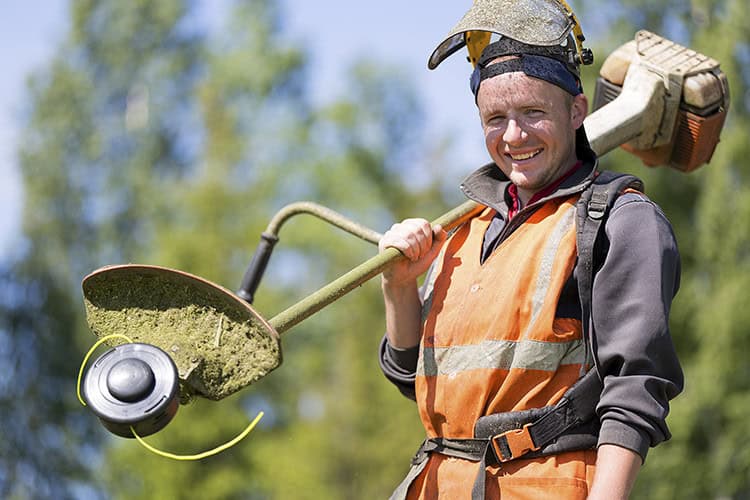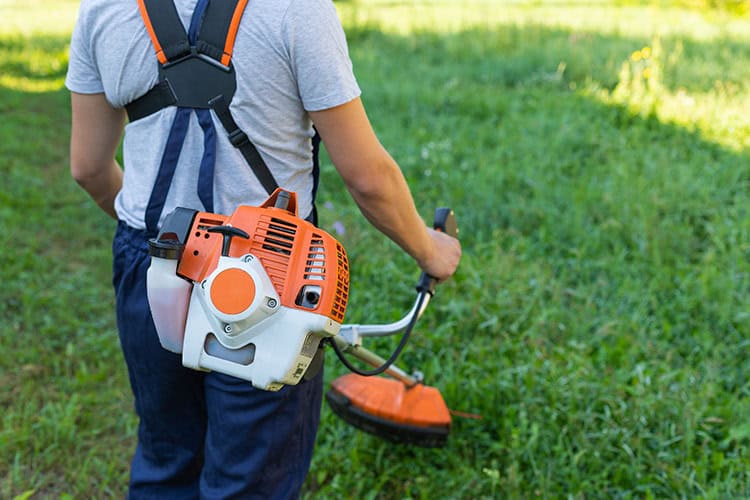
A well-designed training program for new hires is crucial in the lawn and landscaping industry. Well-trained crews reduce downtime, equipment damage, and liability. Training also helps prevent equipment-related accidents and injuries. Plus, professional training creates consistency across crews and improves customer satisfaction.
Reliable equipment is essential to any green industry business, and proper training helps ensure that crews know how to care for and use equipment safely. It’s important to take time to train new hires and also to provide continuing training for existing employees to keep everyone up-to-date on important safety info and maintenance tasks.
What to Look for When Hiring New Crew Members
Labor shortages are one of the major and persistent problems that green industry companies face. Typically when hiring new crew members, you want to evaluate their prior experience with commercial mowers, trimmers, blowers, and basic preventive maintenance. However, it’s often challenging to fill open positions even though lawn and landscaping is a robust industry with good job prospects.
When hiring, look for reliability, ability to follow procedures, and physical readiness for outdoor work in varying Texas weather. At the same time, remember that diversifying your potential applicant pool is one way to combat labor shortages. For example, as of 2024, women make up only 9% of the workforce in the landscaping industry. Active efforts to recruit women can help solve the labor shortage problem.
You might consider implementing a probationary period with supervised equipment use, particularly when you have to hire people with no prior lawn and landscaping experience. When buying equipment for your fleet, look for user-friendly features and lightweight models of handheld equipment that make it easier for new users.
Essential Safety Training Every Crew Member Needs
Every crew member needs training in safe operation of equipment, how to load and unload the equipment trailer, what personal protective equipment (PPE) to wear, and how to prevent heat-related illness. Some or all crew members may also need training in specialized tasks, such as handling chemicals used for fertilizer, weed prevention, and insect control.
Be sure all crew members also receive training on how and when to use the different types of equipment available to them. For example, zero-turn mowers can only be used in locations with slopes less than 15 degrees; walk-behind mowers and hand-held trimmers are options for mowing steeper slopes. In addition, train new hires in trailer loading/unloading safety to prevent rollovers and crush injuries.
Make sure that you provide PPE for all crew members and provide training on when and how to use it. Important PPE includes eye protection, hearing protection, protective footwear, work gloves, and appropriate clothing. Close-fitting long pants and long-sleeved shirts are important for safety, and choosing breathable, lightweight fabric will help prevent overheating.
When working in the Texas heat, every worker must learn to recognize the symptoms of heat illness in themselves and others, as well as what steps to take when they notice problems. When the heat index is high, everyone working outside should drink water at least every 15 minutes, even if they’re not thirsty. Workers will also need to take frequent breaks in shady or air-conditioned areas. Breaks also help prevent equipment from overheating.
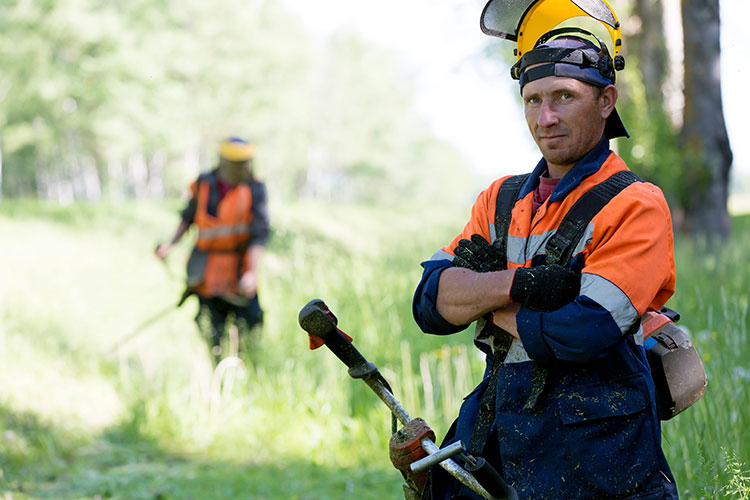
Hands-On Training for Equipment Operation
When training new hires, make sure you cover equipment operation as well as safety practices. Things that might seem obvious to you because you’ve been doing them for so long aren’t necessarily common knowledge, so make sure you cover all the basics.
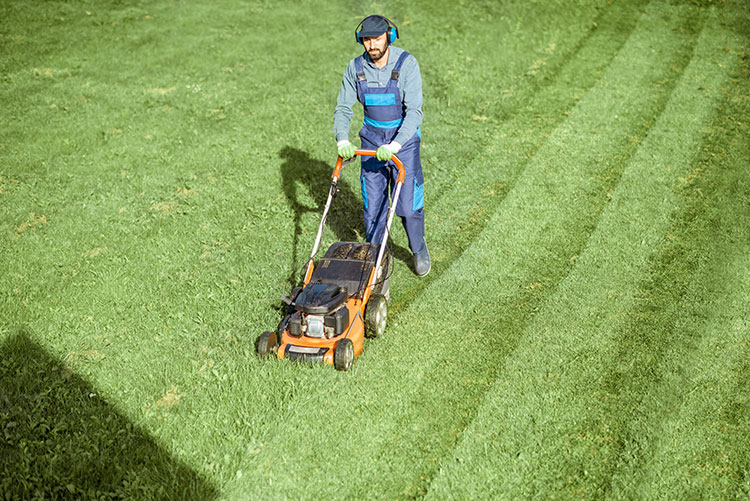
For example, crew members using zero-turn mowers must be trained on how to use them properly and safely. This includes checking the worksite for steep terrain or unstable ground, as zero-turn mowers should not be used on slopes steeper than 15 degrees because of the risk of rollover. The ground must also be clear of objects like tree branches that the mower might hit. Train crew members to wear appropriate PPE, reduce speed on uneven terrain and when turning, to set the deck at the right height, and follow manufacturer operation manuals for mower start-up, shutdown, and emergency stops.
Include training for daily pre-use inspections as well as weekly and monthly maintenance. For example, you might have your crews check tire pressure, look over the mower for potential damage, and check fuel levels every day, and schedule weekly checks for belts, blades, lubrication points, and air filters.
Finally, walk new hires through how to complete common field repairs and routine maintenance tasks. Everyone using a string-line trimmer should know how to replace the trimmer line when it runs out. Mower operators should know how to do blade changes, belt adjustments, and tire changes or repairs.
Creating a Culture of Safety & Continuing Education
Encourage crew leads to model safe working practices and to correct unsafe behaviors immediately. You might consider offering incentives for accident-free months or excellent equipment care. Also, don’t stop training after the initial onboarding for new employees. Continuing education keeps your crews prepared and helps create a culture of safety.
One way to do this is to implement weekly “tailgate talks” on rotating topics (e.g., heat stress, PPE, mower safety, etc.). Also called “toolbox talks,” these short meetings give you an opportunity to cover topics related to workplace safety. Keep them short, and make sure there is time for employees to ask questions at the end. Track which topics you cover and who was there to make sure you don’t repeat topics too frequently and that everyone is included in the ongoing training. It’s a good idea to keep a written record of all training for liability protection.
The Occupational Safety and Health Administration (OSHA) maintains a database of hazards, solutions, and standards specific to the landscape and horticultural industries. This can be a valuable resource for ensuring your company complies with best practices and safety regulations. The National Association of Landscape Professionals (NALP) also provides resources on safety topics that can be a valuable resource for training.
You don’t have to shoulder all the weight of ongoing education alone. Your local professional lawn equipment dealer is here to help. Here at Richardson Saw, we do several operator trainings every year, going over items like how to properly use the equipment and what to look for each day to get ahead of any problems that might occur with further use. If that’s something you’re interested in, contact us to learn more.